Veyaura Gems
VEYAURA
CEYLON GEMS
Ceylon gem heritage
Heritage · The Great Misunderstandings

The crowns of empires were wrong about their own gemstones.

For two thousand years, Ceylon supplied the world with its finest sapphires, spinels and padparadscha. For most of that time, the royal courts who wore them did not know what they actually owned.

A Two-Thousand-Year Lineage

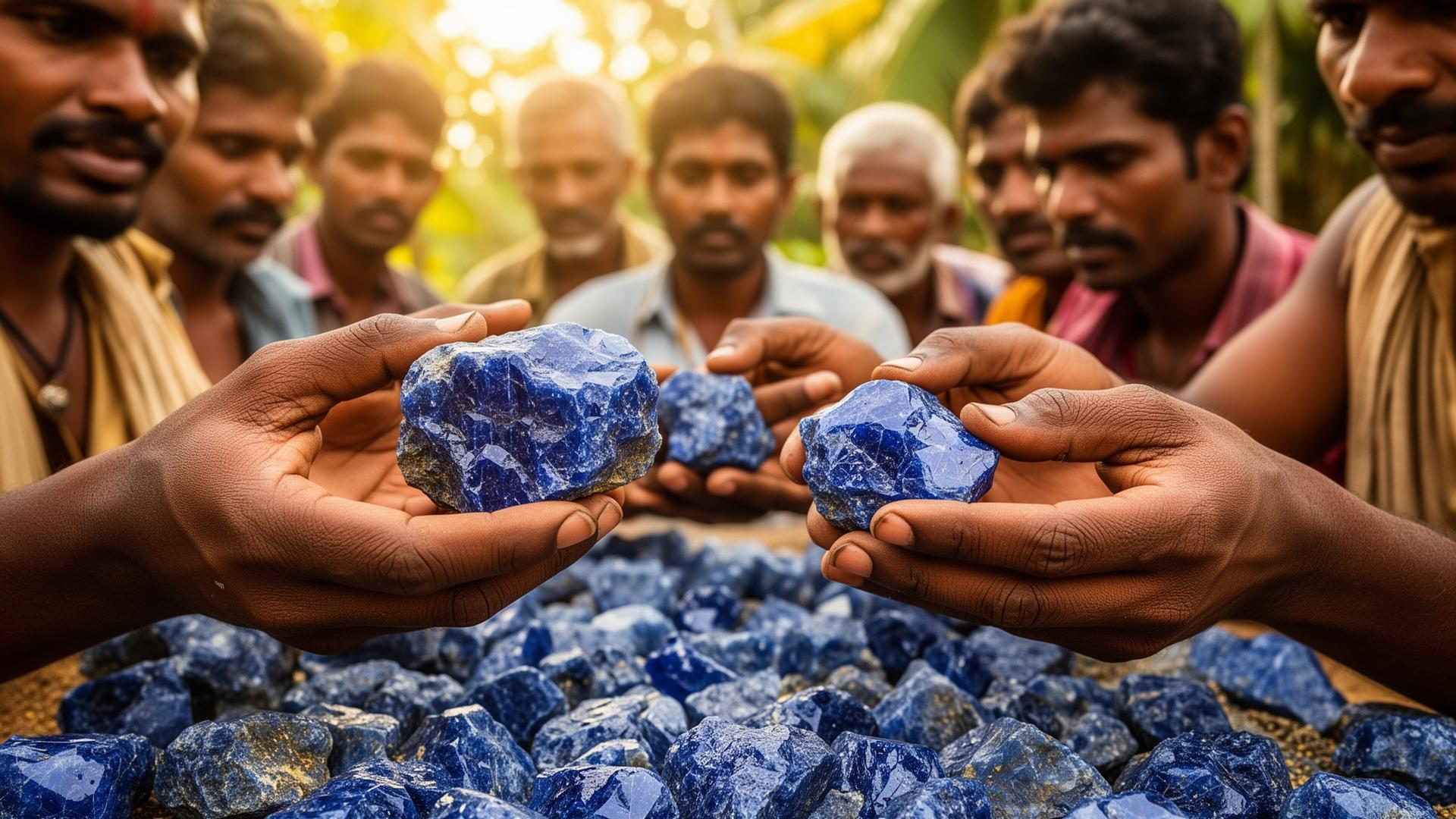
The island the ancients called Ratna-Dweepa — the Island of Gems.

Ptolemy mapped it. Marco Polo wrote that it produced "the finest and largest rubies in the world" — most of which we now know were Ceylon spinels and red sapphires. Sinbad's voyages were almost certainly to its shores. King Solomon is said to have sourced his sapphires from the island. From the Anuradhapura kingdom to the Kandyan court, from the Mughal treasury to the Romanov diamond fund, from St. Edward's Sapphire in the British Crown to the Logan Sapphire at the Smithsonian — the trail of the world's most important coloured gemstones leads, again and again, back to Sri Lanka.

The Five Royal Misunderstandings

How the world's greatest courts confused their own jewels.

The Black Prince's Ruby
Tale N° 01 · British Imperial State Crown · circa 1367

The Black Prince's Ruby

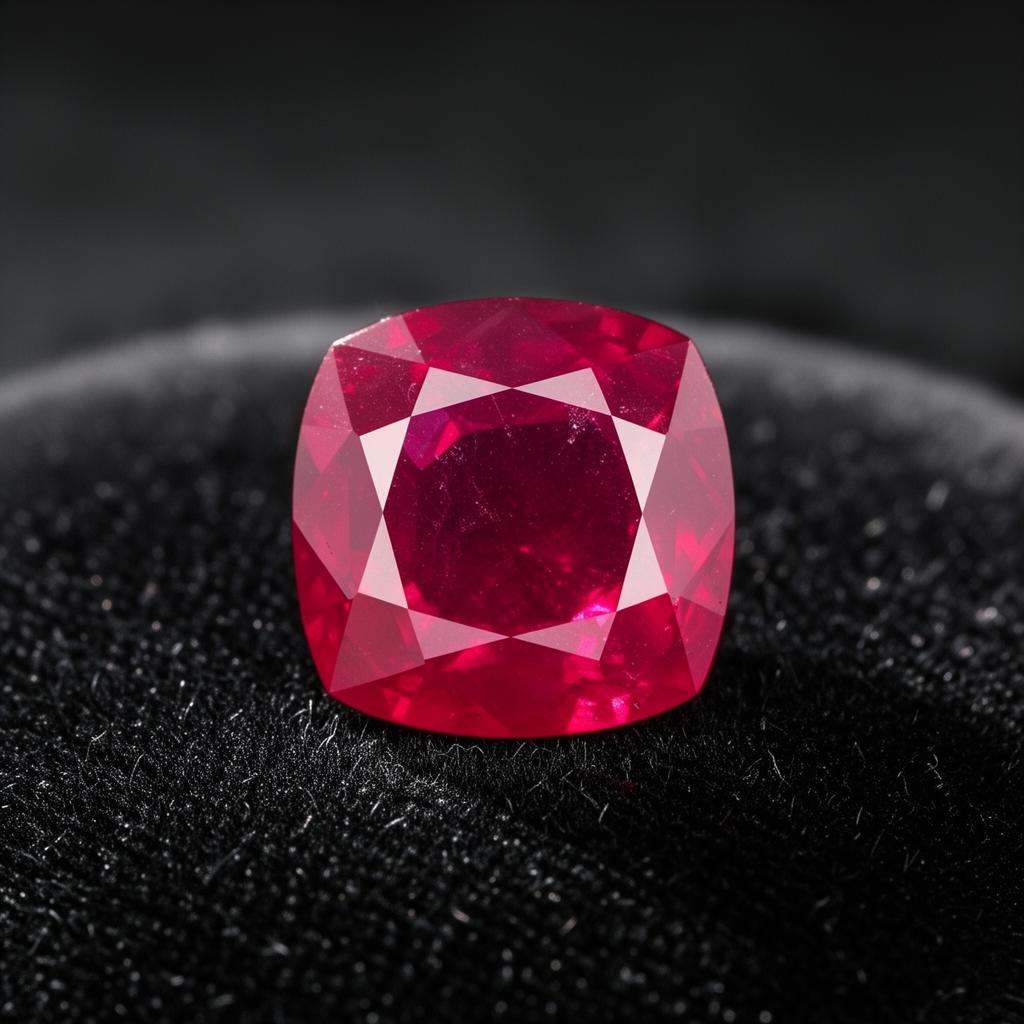
Mounted at the very front of the British Imperial State Crown, the 170-carat 'Black Prince's Ruby' was paraded for almost six centuries as the most famous ruby in Europe. Edward, the Black Prince, received it in 1367 from Pedro of Castile. Henry V wore it into the Battle of Agincourt in 1415, where it reportedly saved his life when a French battle-axe struck the gem set into his helmet. It was only with the rise of modern gemology in the 19th century that the truth emerged: it is not a ruby at all. It is a magnificent red spinel — almost certainly mined in the Badakhshan region but with kin-stones flowing from Ceylon for two thousand years. No British monarch had ever known the difference.

For five centuries, the most-watched 'ruby' in Europe was a spinel.
The Timur Ruby
Tale N° 02 · Mughal & British Crown Jewels · circa 1612

The Timur Ruby

A 361-carat red gem engraved with the names of six Mughal emperors and Persian conquerors — Timur, Akbar, Jahangir, Shah Jahan, Aurangzeb, and ultimately Queen Victoria. Presented to her by the East India Company in 1851, it sat in the British royal collection for over half a century as the largest known ruby in the world. In 1912, gemological re-examination confirmed it was, again, a spinel. The engravings remain priceless historical record; the 'ruby' designation does not. Even the Mughals — the most sophisticated patrons of coloured gemstones in history — could not distinguish a fine spinel from a true corundum ruby.

Even Mughal emperors confused red spinel with ruby for four hundred years.
The 'Sapphires' of the Russian Imperial Court
Tale N° 03 · Romanov Treasury · 18th–19th century

The 'Sapphires' of the Russian Imperial Court

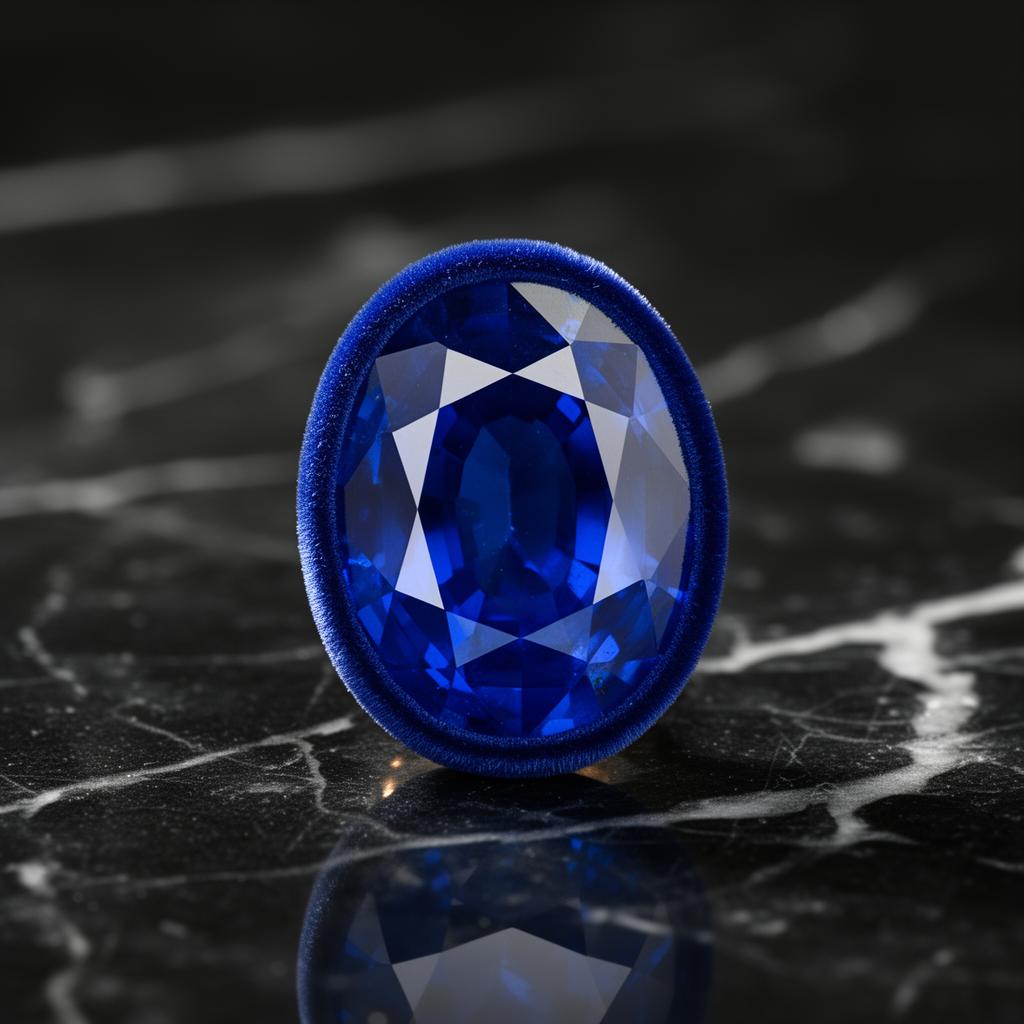
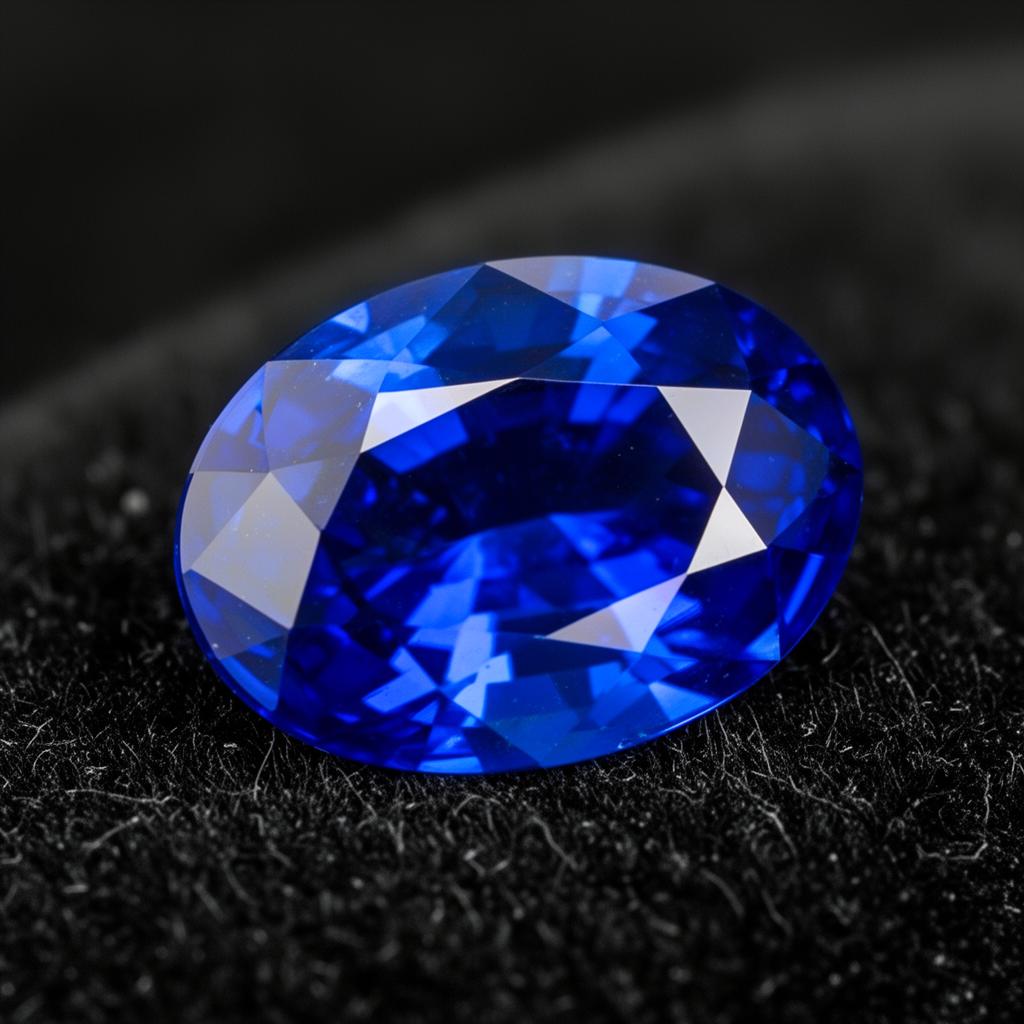
Catherine the Great and her successors collected vast Ceylon sapphires through Persian and Indian intermediaries. But a number of celebrated 'sapphires' in the Romanov inventory were later identified, after the Bolshevik seizure of the Diamond Fund in 1922, as deep cobalt-blue Ceylon spinels and even iolite. The Romanovs paid sapphire prices. They received, in several cases, spinels of greater rarity than the sapphires they had requested — but the court mineralogists of the 18th century had no instruments to tell them so.

What was sold as sapphire to the Tsars often turned out to be Ceylon cobalt spinel — today rarer still.
Padparadscha — the Sapphire that Royalty Called Topaz
Tale N° 04 · Sinhalese Royal Court · 5th century BCE onward

Padparadscha — the Sapphire that Royalty Called Topaz

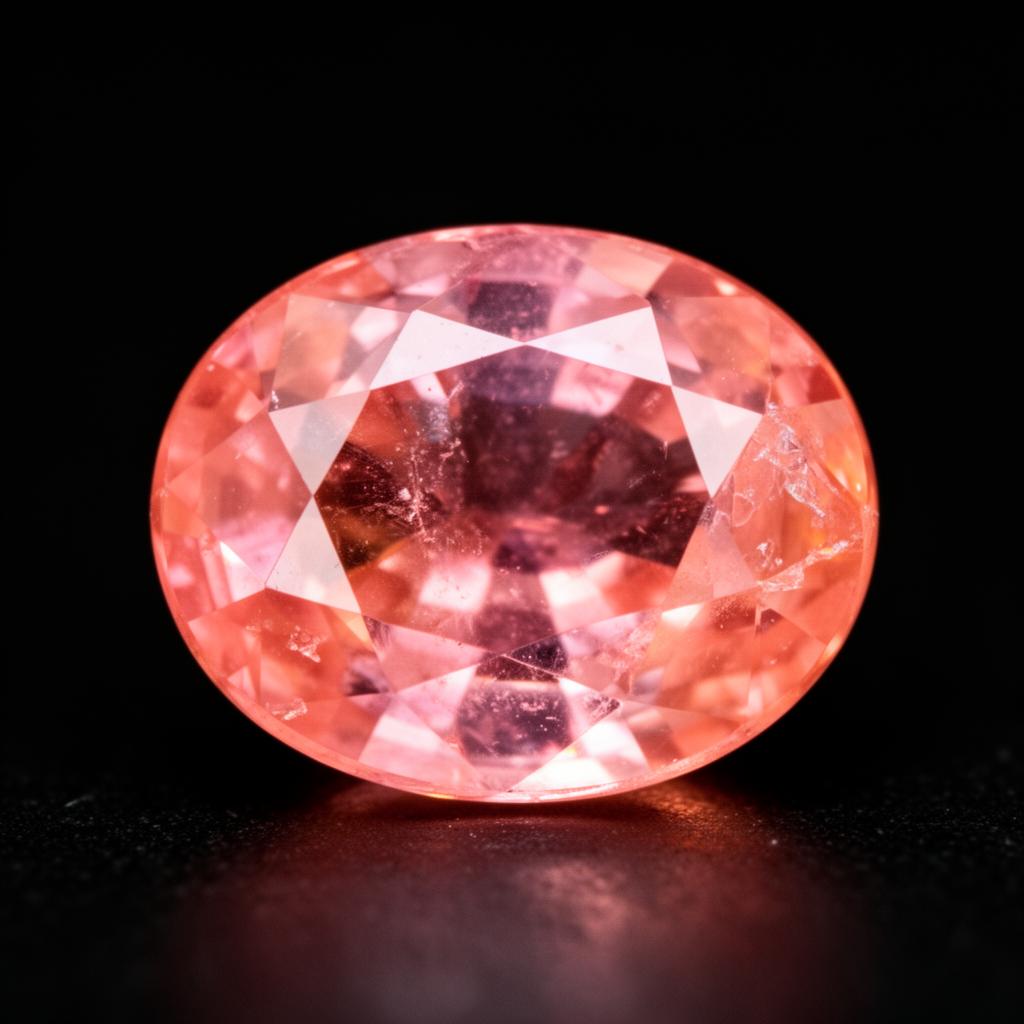
The Sinhalese kings of Anuradhapura and Polonnaruwa wore pink-orange Ceylon stones in their regalia for over two millennia, naming them after the sacred lotus blossom — padma raga, lotus colour. When Portuguese and Dutch traders arrived in the 16th and 17th centuries, they catalogued these as 'oriental topaz' or 'jacinth', not understanding they were a distinct colour variety of sapphire found almost nowhere else on earth. For three hundred years, European courts wore padparadscha believing it to be topaz. It was only in the late 19th century, with crystal-structure analysis, that Sri Lanka was credited as the true and almost-exclusive source of the world's most poetic corundum.

Europe wore padparadscha for three centuries while calling it topaz.
The Stuart Sapphire & Other 'Sapphires' That Weren't
Tale N° 05 · British Crown Jewels · 17th century onward

The Stuart Sapphire & Other 'Sapphires' That Weren't

The Stuart Sapphire — 104 carats, set at the back of the Imperial State Crown — is genuine sapphire of Ceylon origin. But its journey through Charles II, James II, and Cardinal York saw it mis-attributed at various points as everything from 'Persian sapphire' to 'oriental amethyst' depending on the lighting of the chamber in which it was inspected. The cataloguing of royal gems was, until the 20th century, almost entirely based on colour. Origin and species were guesswork — and Ceylon, the true source of almost all of Europe's fine blue sapphires from the 17th century onward, received virtually no contemporary credit.

Royal inventories named gems by colour, not by science. Ceylon was the silent source.
Why This Still Matters

The science has caught up. The misnaming has not.

Across India, the Middle East and South-East Asia, fine spinels are still routinely sold as "ruby". Yellow and pink Ceylon sapphires are still mistaken for citrine, topaz and tourmaline. Cobalt-blue spinels — the rarest coloured gemstone available today — are still confused with mid-grade sapphire. Veyaura exists to end this confusion. Every stone in our collection is identified correctly, certified independently, and described with the gemological precision its history deserves.

Explore the Collection